


TL;DR:
- Streetwear originated from New York and Los Angeles in the late 1970s and early 1980s, blending hip-hop, skate, punk, and surf cultures to create an authentic, identity-driven style. The global market is valued at around 185 billion dollars in 2026, reflecting its cultural power and influence on mainstream fashion. To incorporate streetwear, focus on quality basics like oversized tees, hoodies, and sneakers, and choose styles that express your personality and cultural roots.
Streetwear fashion is a casual, urban-inspired clothing style defined by comfort, self-expression, and deep roots in youth subculture. It emerged from the streets of New York and Los Angeles, not from runways or design schools. The style pulls from hip-hop, skate culture, punk, and surf scenes, blending them into something that feels personal and real. Today, the global streetwear market is valued at approximately $185 billion, which tells you this is not a passing trend. It is one of the most powerful forces in fashion right now, and understanding it helps you dress with intention.
What are the origins and cultural roots of streetwear fashion?
Streetwear originated in the late 1970s and early 1980s, born from two very different coasts with one shared attitude. New York’s hip-hop scene gave it energy, attitude, and a connection to music and identity. Los Angeles surf and skate culture gave it relaxed silhouettes, graphic tees, and a rebellious spirit. These two worlds collided and created something entirely new.
The style was never designed in a studio. It grew organically from communities that needed clothing that moved with them, represented them, and set them apart. Punk culture added edge. Japanese street fashion, particularly from the Harajuku district in Tokyo, added layering, bold graphics, and a fearless approach to mixing styles. Each influence left a mark that you can still see in streetwear today.
What made early streetwear so powerful was its authenticity. Wearing it meant something. It signaled which community you belonged to, what music you listened to, and how you saw the world. That identity-first approach is what separates streetwear from just wearing comfortable clothes.
Key cultural pillars that shaped the streetwear aesthetic include:
- Hip-hop music and culture, which introduced oversized silhouettes, bold logos, and sneaker culture as status symbols
- Skate culture, which normalized graphic tees, baggy pants, and worn-in footwear as everyday style
- Punk and DIY fashion, which encouraged customization, patches, and anti-establishment graphics
- Japanese street fashion, which pushed experimental layering and elevated the graphic tee to an art form
- Surf culture, which brought relaxed fits and casual fabrics into the urban wardrobe
“Streetwear was never just clothing. It was a language. The people who wore it were saying something about who they were and where they came from.” — The Cultural Review
What are the main types and styles within streetwear fashion today?
Five primary streetwear styles define the aesthetic in 2026: Minimalist, Techwear, Skate, Luxury, and Athleisure. Each has its own personality, but they all share a foundation of comfort, cultural awareness, and intentional styling. Knowing the differences helps you build a wardrobe that actually reflects who you are.
| Style | Core Look | Key Pieces |
|---|---|---|
| Minimalist | Clean lines, neutral colors, no excess | Plain oversized tees, slim joggers, white sneakers |
| Techwear | Functional, futuristic, utility-focused | Cargo pants, waterproof jackets, technical fabrics |
| Skate | Loose, worn-in, graphic-heavy | Graphic tees, baggy jeans, skate shoes |
| Luxury | High-end materials, designer logos, elevated basics | Premium hoodies, logo tees, designer sneakers |
| Athleisure | Sport-inspired, comfortable, versatile | Track pants, sports bras, chunky sneakers |
Minimalist streetwear is the most accessible starting point. It strips everything back to quality basics in neutral tones, letting fit and fabric do the talking. Techwear leans into function, with pockets, straps, and weather-resistant materials that look like they belong in a sci-fi film. Skate style is the most rooted in the original subculture, with graphics and loose fits that reference the sport’s rebellious history.
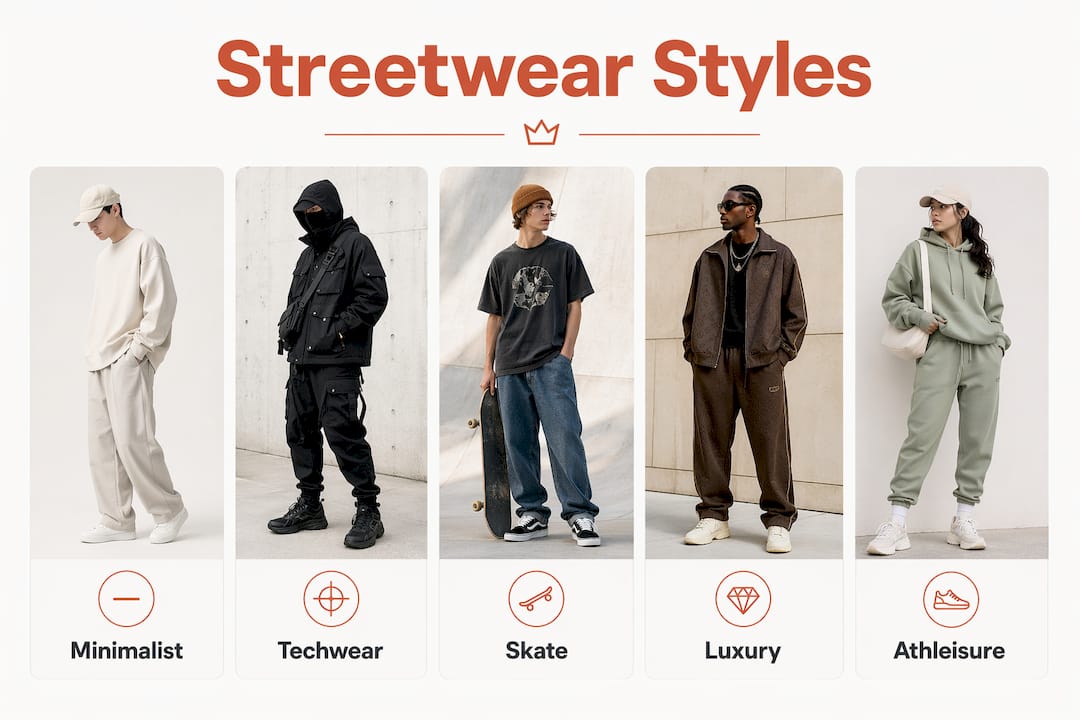
Luxury streetwear is where the style gets interesting. It takes the casual DNA of street fashion and executes it in premium materials, often through collaborations between urban labels and high-end fashion houses. Athleisure blurs the line between gym wear and street style, making it one of the most practical and widely adopted categories today.
Sneakers anchor every one of these styles. They are not just footwear. They are the cultural centerpiece of any streetwear outfit, carrying history, status, and personal taste all at once.
Pro Tip: Start with one style category that matches your personality, then slowly borrow elements from others. Mixing Minimalist basics with Skate graphics, for example, creates a look that feels personal rather than copied.
Why does streetwear have such a strong influence on mainstream fashion?
The global streetwear market sits at approximately $185 billion in 2026 and is projected to reach $734.05 billion by 2034. That growth is not accidental. It reflects a fundamental shift in who gets to define what is fashionable and where those ideas come from.
Streetwear broke fashion’s traditional hierarchy. For decades, style flowed from Paris and Milan downward to the masses. Streetwear reversed that. It pushed ideas upward from communities, neighborhoods, and subcultures into the mainstream. Luxury fashion houses noticed and responded. The result has been a wave of high fashion and casual urban style collaborations that would have seemed impossible twenty years ago.
The internet accelerated everything. Style leaders in Tokyo and Lagos now set global trends without needing approval from traditional fashion gatekeepers. A single post can make a silhouette or a graphic go viral overnight. That speed and accessibility is why streetwear feels so alive compared to traditional fashion cycles.
Limited edition drops and collaborations also drive the culture in a unique way. Scarcity creates desire. When a release sells out in minutes and resells for multiples of its original price, it signals cultural value far beyond the garment itself. That dynamic keeps streetwear at the center of cultural conversation year after year.
The reasons streetwear keeps growing include:
- Cultural authenticity that resonates with younger generations who value realness over polish
- Internet-driven communities that spread trends globally without traditional media
- Luxury collaborations that validate streetwear’s place at the top of the fashion world
- Scarcity and hype culture that make certain pieces feel like cultural artifacts
How can you incorporate streetwear fashion into your wardrobe?
Authentic streetwear differs from casual wear in one key way. Casual wear is about comfort without intention. Streetwear is about comfort with purpose. Every piece you choose should connect to a style, a culture, or a personal statement. That intentionality is what makes the difference.
Building a streetwear wardrobe does not require spending a lot of money upfront. It requires understanding the building blocks and adding them one at a time.
-
Start with quality oversized tees. The graphic tee or premium plain tee is the foundation of almost every streetwear style. Look for heavier cotton fabrics, like 280gsm or 300gsm, which hold their shape and feel substantial. Twl’s oversized tee collection is built specifically for this purpose, with fabrics that last and fits that work across multiple styles.
-
Add a hoodie. Hoodies are the second most important streetwear staple. They layer over tees, work across all five style categories, and carry graphic or logo details that communicate your aesthetic.
-
Invest in one great pair of sneakers. You do not need ten pairs to start. One pair that you genuinely love and that connects to your chosen style is enough to anchor your outfits.
-
Choose bottoms that match your style category. Baggy jeans for Skate, cargo pants for Techwear, slim joggers for Minimalist. The bottom half of your outfit should reinforce the story your top half is telling.
-
Mix intentionally. Pull one element from a different style category to make your look feel personal. A Luxury logo tee worn with Skate-style baggy jeans, for example, creates tension that feels current and considered.
Pro Tip: Avoid buying pieces just because they are trending. Buy pieces that connect to a subculture or aesthetic you genuinely care about. Streetwear worn with conviction always looks better than streetwear worn for clout.
Key Takeaways
Streetwear is a culturally rooted style defined by comfort, subculture identity, and intentional self-expression, not just casual clothing.
| Point | Details |
|---|---|
| Streetwear has deep cultural roots | It emerged from hip-hop and skate scenes in the late 1970s and early 1980s. |
| Five distinct styles exist | Minimalist, Techwear, Skate, Luxury, and Athleisure each offer a different aesthetic entry point. |
| Market scale confirms cultural power | The global streetwear market is valued at approximately $185 billion in 2026. |
| Authenticity separates streetwear from casual wear | True streetwear connects to subculture and styling principles, not just comfort. |
| Sneakers and oversized tees are the foundation | These two pieces anchor every streetwear style and are the best starting point for any wardrobe. |
Streetwear’s real lesson for a new generation
I have watched streetwear go from something people dismissed as “just kids wearing baggy clothes” to a force that reshaped the entire fashion industry. What strikes me most is not the market numbers or the luxury collaborations. It is the confidence the culture demands from the people who wear it.
Streetwear has always rewarded those who wear it with conviction. The kids in the Bronx in the early 1980s were not following a trend. They were creating one, from nothing, with limited resources and unlimited creativity. That spirit is still the most important thing you can bring to your wardrobe today.
What I find genuinely exciting in 2026 is how internet-driven communities have shifted fashion power away from traditional capitals. A teenager in Manila or Nairobi can set a global trend today. That is a real change, and it belongs to this generation. The gatekeepers are gone. The only question is whether you have something real to say with what you wear.
My honest advice: do not chase the hype. Learn the history. Pick a style that resonates with something you actually care about. Then wear it like you mean it. That is what streetwear has always been about, and it is the one thing no trend cycle can take away.
— Adam
Build your streetwear wardrobe with Twl
Streetwear starts with the right foundation pieces, and the oversized tee is the one item every style category shares.
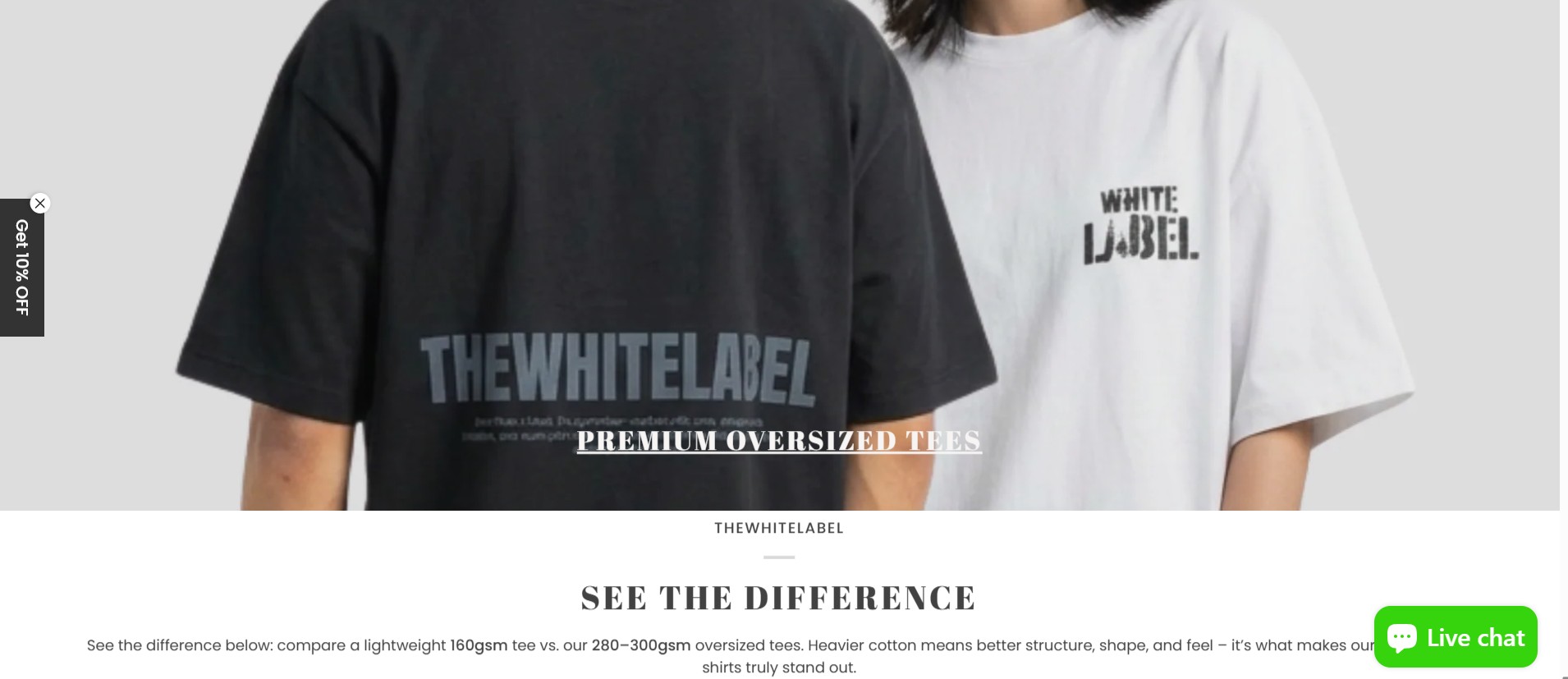
At Twl, we have built our collection around exactly that. Our premium oversized tees use high-GSM cotton fabrics ranging from 160gsm to 300gsm, so every piece holds its shape, feels substantial, and works across Minimalist, Skate, Luxury, and Athleisure styles. From reflective prints to velvet finishes and camo patterns, the range is designed for people who want quality and personality in the same garment. Explore the full Twl streetwear collection and find the pieces that speak to your style.
FAQ
What is streetwear fashion in simple terms?
Streetwear fashion is a casual clothing style rooted in urban youth subcultures like hip-hop and skate culture, defined by comfort, graphic tees, sneakers, and self-expression. It differs from regular casual wear because every piece connects to a cultural identity or deliberate aesthetic.
Where did streetwear originally come from?
Streetwear originated in the late 1970s and early 1980s from New York’s hip-hop scene and Los Angeles’s surf and skate communities. Japanese street fashion and punk culture also shaped its early development.
What are the main types of streetwear styles?
The five main streetwear styles are Minimalist, Techwear, Skate, Luxury, and Athleisure. Each has distinct clothing choices, but all share a foundation of comfort and cultural awareness.
Why is streetwear so popular and influential?
The global streetwear market is valued at approximately $185 billion in 2026, driven by cultural authenticity, internet communities, luxury collaborations, and limited edition hype culture. It resonates because it gives young people a way to express identity through clothing.
How is streetwear different from just wearing casual clothes?
Authentic streetwear requires intentional connection to a subculture and specific styling choices, not just comfort. Picking pieces randomly from a closet is casual wear. Choosing pieces that reflect a cultural aesthetic and wearing them with purpose is streetwear.


