


TL;DR:
- A four-piece outfit formula simplifies casual dressing by focusing on a base top, bottom, third piece, and shoes. Swapping these elements and accessories allows you to adapt outfits for any occasion while maintaining a cohesive style. Following the 80/20 rule and adding one finishing detail ensures a practical, polished wardrobe centered on reliable basics.
Everyday casual outfit building tips come down to one core idea: a repeatable four-piece formula that removes guesswork and keeps you looking put-together every single day. The formula works like this: base top, bottom, third piece, and shoes. Each slot has a clear job, and once you understand how they interact, getting dressed takes about five minutes. We put this guide together because we know how frustrating it is to stare at a full closet and feel like you have nothing to wear.
1. What is the four-piece outfit formula?
The four-slot outfit formula is the foundation of every great casual look. It gives you a repeatable structure so you stop making random pairings and start building outfits with intention. Most people waste energy mixing pieces without a system. A structured formula saves roughly 80% of that decision effort and creates consistent style every time.
Each slot has a specific role:
- Base top: A well-fitted tee, tank, or long-sleeve shirt. This is your canvas.
- Bottom: Jeans, chinos, shorts, or joggers. Choose based on your day’s demands.
- Third piece: A blazer, overshirt, cardigan, or jacket. This is the piece that separates a thrown-together look from an intentional outfit.
- Shoes: The final anchor. They set the formality level and complete the silhouette.
The third piece is the key that most people skip. Selecting it first actually creates better proportions and a more balanced silhouette before you add anything else. Think of it as the frame before the painting.
Pro Tip: Try choosing your third piece before your base top. You will find that the rest of the outfit falls into place much faster.

2. How to apply the formality dial to casual outfits
The formality dial is a framework that lets you adapt 3–5 core outfit recipes across settings ranging from casual to smart-casual without building an entirely separate wardrobe. You adjust one or two elements, and the whole outfit shifts in tone.
Here is how the dial works in practice:
- Start with a neutral base. Build your outfit around whites, blacks, grays, navy, or earth tones.
- Identify your setting. A weekend coffee run needs different energy than a casual Friday at the office.
- Swap the third piece. A cardigan reads relaxed. A structured overshirt reads polished. A blazer reads smart-casual.
- Swap the shoes. Sneakers lower the formality. Clean leather loafers or Chelsea boots raise it.
- Add or remove one accessory. A watch or minimal necklace adds intention without effort.
A cohesive color palette built mostly on neutrals with one or two accent colors makes every swap easier. When your pieces share a color language, almost anything works together.
| Setting | Third piece | Shoes | Formality level |
|---|---|---|---|
| Weekend errands | Overshirt or hoodie | Clean sneakers | Casual |
| Casual brunch | Cardigan or denim jacket | White sneakers or loafers | Relaxed smart |
| Smart-casual event | Structured blazer | Chelsea boots or loafers | Smart-casual |
3. Why the 80/20 wardrobe ratio matters
Intentional casual dressing follows an 80/20 ratio: 80% reliable basics with repeatable formulas and 20% fun statement pieces. This mix keeps your wardrobe functional while still leaving room for personal style expression. Without this balance, closets fill up with pieces that never get worn.
Your 80% basics should include:
- Neutral-colored tees in white, black, gray, and navy
- Well-fitted jeans in one or two washes
- Chinos or joggers in a neutral tone
- A reliable overshirt or cardigan
- Clean, versatile sneakers
Your 20% statement pieces are where personality comes in. A bold graphic tee, a patterned overshirt, or a standout pair of shoes. These pieces work best when they slot into the formula alongside your basics, not when they compete with each other.
Pro Tip: Before buying any new piece, ask yourself: does this work with at least three things I already own? If the answer is no, put it back.
The 80/20 approach prevents closet bottlenecks, which are those moments when you own many clothes but can only build a handful of outfits. Basics are the connective tissue. They make everything else wearable.
4. How accessories and finishing details change everything
One intentional accessory is the difference between a uniform and a curated look. A watch, a simple chain, a scarf, or even a well-chosen cap signals that you dressed with purpose. You do not need five accessories. You need one that fits the outfit’s tone.
Key finishing habits to build:
- Steam your clothes. Steaming and simple grooming like rolling your sleeves make inexpensive outfits look far more polished. Wrinkled clothes undercut even the best formula.
- Choose a bag that coordinates. A tote, crossbody, or backpack should share at least one color with your outfit. It does not need to match exactly.
- Pick shoes for your actual day. If you are commuting, standing, or walking, footwear should align with the most physically demanding part of your schedule. Uncomfortable shoes break the entire outfit’s appeal.
- Roll your sleeves intentionally. A single sleeve roll on an overshirt or long-sleeve tee adds a relaxed, deliberate detail that reads as effortless style.
“Small upgrades and finishing habits differentiate effortless casual from uniform looks by adding deliberate style signals.” — Styling tips on finishing touches
Casual outfits are not lazy outfits. The best casual dressing requires intentionality through fit, layering, and those small finishing details that add up to a polished silhouette.
5. Common mistakes in casual outfit building
Random, uncoordinated outfit pairing is the most common mistake. Without a formula, you end up with decision fatigue and outfits that feel off even when individual pieces are good. The fix is simple: commit to the four-slot system and stop treating every morning as a creative experiment.
Watch out for these pitfalls:
- Ignoring footwear function. Wearing dress shoes with joggers or beat-up sneakers with chinos creates a style break that undermines the whole look.
- Overcomplicating color. Three or more competing colors in one outfit creates visual noise. Stick to two neutrals and one accent.
- Skipping the third piece. Without it, even great basics look unfinished. A simple overshirt costs almost nothing and changes everything.
- Building a wardrobe for aspirational events. Wardrobes should reflect your actual daily life and realistic scenarios, not occasions you rarely attend. Maximize wear frequency by dressing for the week you actually have.
- Buying trendy pieces without a plan. Trend pieces only work when they slot into your existing formula. Otherwise, they sit unworn.
The practical fix for all of these is to audit your wardrobe against your real weekly schedule. If a piece does not fit into at least two outfit formulas you actually use, it is taking up space without earning it.
Key takeaways
The most effective approach to everyday casual dressing is a four-piece formula built on reliable basics, a strong third piece, and one intentional finishing detail.
| Point | Details |
|---|---|
| Use the four-slot formula | Build every outfit around a base top, bottom, third piece, and shoes for consistent results. |
| Apply the formality dial | Swap the third piece and shoes to shift the same outfit from casual to smart-casual without rebuilding it. |
| Follow the 80/20 ratio | Keep 80% of your wardrobe as reliable basics and reserve 20% for personal statement pieces. |
| Add one finishing detail | A single accessory or grooming habit like sleeve rolling elevates a basic outfit to a curated look. |
| Dress for your real week | Build outfits around your actual daily scenarios, not aspirational events, to maximize wear frequency. |
Why simplicity is the real style skill
I used to think that great style meant owning more. More pieces, more options, more variety. What I actually found is the opposite. The days I felt most confident were the days I had the least to think about. A clean tee, a well-chosen overshirt, good jeans, and the right shoes. Done.
The third piece changed everything for me personally. Once I started treating it as the anchor of the outfit rather than an afterthought, my outfits stopped looking random. An overshirt over a plain tee with straight-leg jeans and clean sneakers is not a complicated formula. But it works every single time because the proportions are right and the intention is clear.
Fit matters more than brand. A well-fitted basic tee from a brand that understands fabric weight and silhouette will always outperform an expensive piece that does not sit right on your body. That is the honest truth about building a wardrobe that actually gets used.
The time you save by having a formula is real. Five minutes to get dressed instead of twenty is not a small thing. It is a daily win that adds up.
— Adam
TheWhiteLabel’s everyday essentials for your casual formula
Building a casual wardrobe starts with getting the base top right. TheWhiteLabel’s premium oversized tees are made from heavyweight 300GSM cotton, which means they hold their shape, drape well, and feel substantial without being stiff. That weight is exactly what makes them work as the foundation of the four-slot formula.
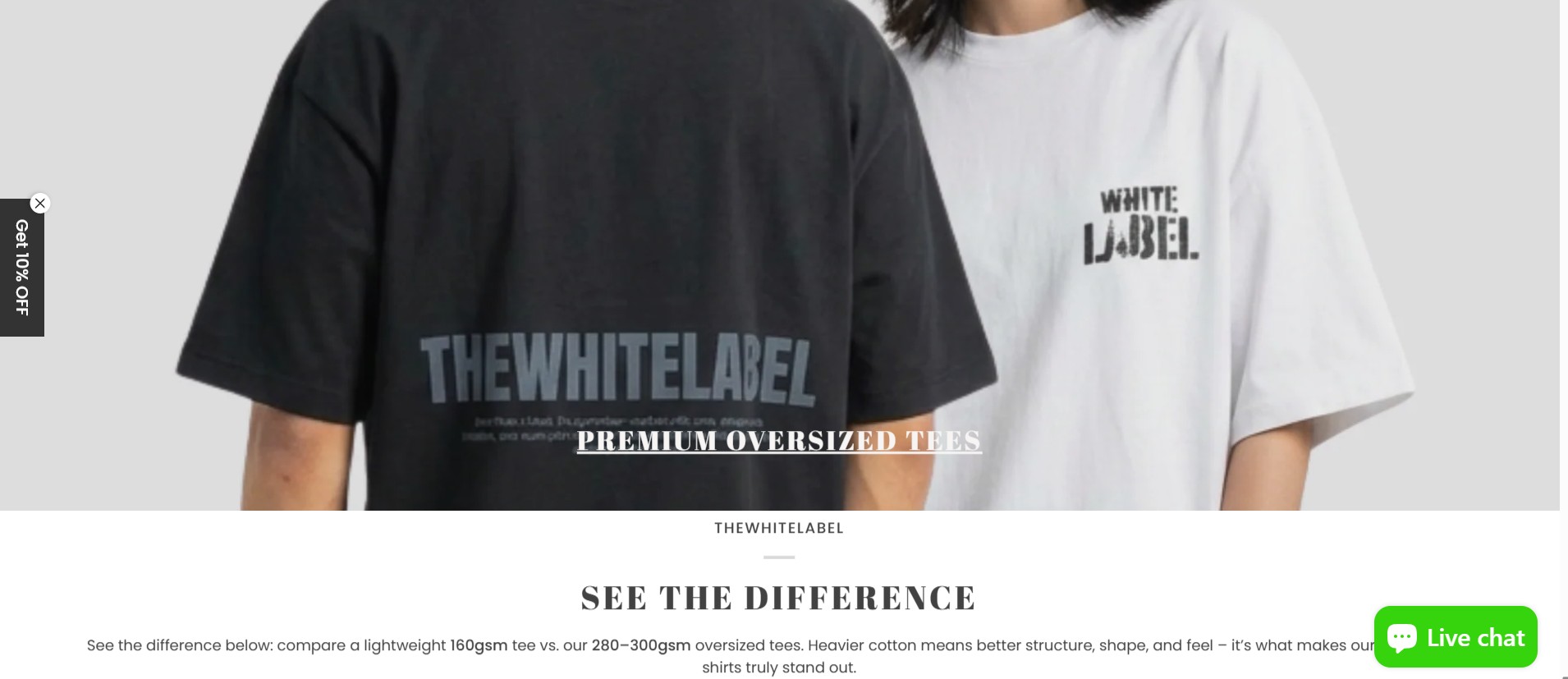
TheWhiteLabel’s CS01 Streetwear T-Shirt is a strong starting point for anyone building a casual wardrobe from scratch. The minimalist design means it pairs with almost any third piece or bottom you already own. We also offer a mix and match collection designed specifically for easy outfit building, so you can grab pieces that already work together. Available on our website, TikTok Shop, Shopee, and Lazada.
FAQ
What is the four-piece casual outfit formula?
The four-piece formula structures every outfit around a base top, bottom, third piece, and shoes. Each slot has a clear role, and rotating elements within the formula keeps outfits fresh without starting from scratch.
What counts as a “third piece” in casual dressing?
A third piece is any layering item that adds structure to an outfit, such as a blazer, overshirt, cardigan, or denim jacket. Selecting it first creates better proportions and separates an intentional look from a thrown-together one.
How do I style casual wear for different occasions?
Use the formality dial: keep the base outfit the same and swap the third piece and shoes. Sneakers and a hoodie read casual. Loafers and a structured overshirt read smart-casual. One or two swaps cover most social settings.
How many basics do I actually need in my wardrobe?
The 80/20 rule applies here. About 80% of your wardrobe should be reliable basics in neutral colors that work across multiple outfit formulas. The remaining 20% can be statement pieces that add personality.
What is the easiest way to make a casual outfit look more polished?
Add one intentional accessory and steam your clothes. A watch, a simple chain, or a clean cap signals purpose. Wrinkle-free fabric makes even budget pieces look considered and deliberate.


