


TL;DR:
- An outfit formula is a four-part clothing structure that simplifies daily dressing and reduces decision fatigue. Building a small menu of 3 to 5 core formulas around your most-worn pieces allows for versatile, stress-free styling using a curated wardrobe. Variations in texture, color, and accessories keep these formulas fresh and adaptable across seasons and occasions.
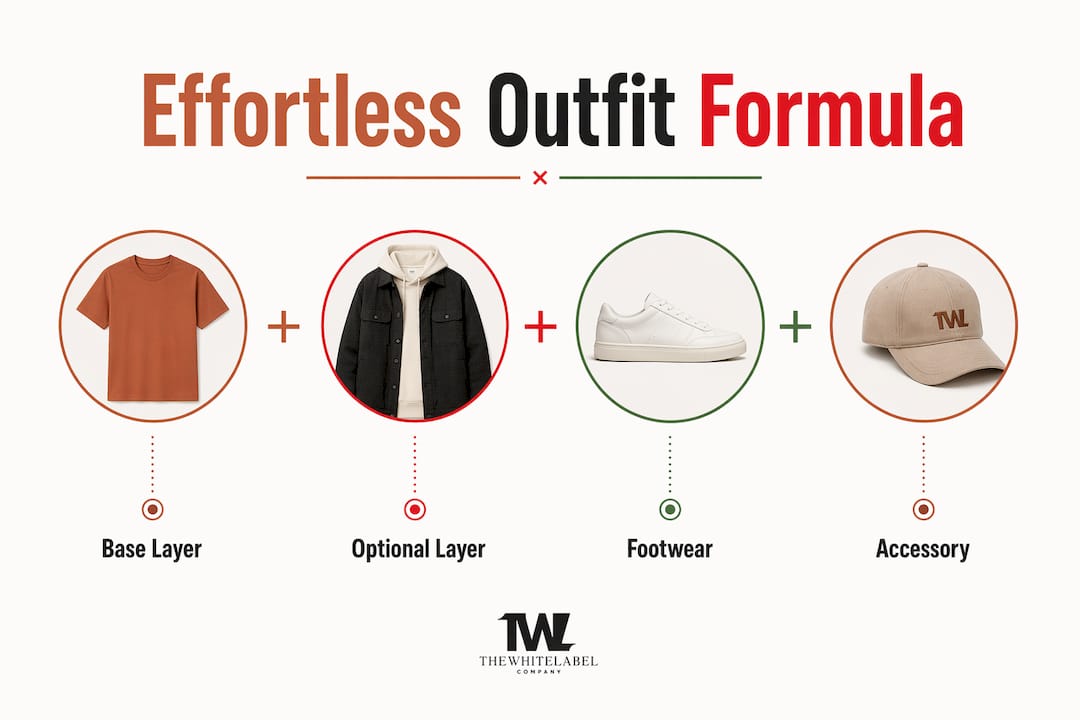
An effortless outfit formula is a repeatable clothing combination framework that makes getting dressed fast, stylish, and stress-free every single day. Think of it as a personal style recipe: a base layer, an optional layer, intentional footwear, and a finishing accessory. Most people wear only 20% of their wardrobe 80% of the time. That stat tells you everything. A small set of proven formulas is all you need to look put-together without the daily stress of starting from scratch.
What are the key components of an effortless outfit formula?
A reliable outfit formula follows a four-part structure: base layer, optional layer, footwear, and one finishing accessory. Each part plays a specific role. Together, they create a complete, balanced look without guesswork.
Here is how each component works:
- Base layer: This is your top and bottom pairing, or a one-piece like a dress or jumpsuit. A classic example is a white oversized tee paired with straight-leg jeans. TheWhiteLabel’s 300GSM heavyweight cotton tees work perfectly here because they hold their shape and drape well.
- Optional layer: A blazer, cardigan, or light jacket adds dimension and adjusts the outfit’s formality. You can remove it and the base still works on its own.
- Intentional footwear: Shoes shift the entire mood of a formula. Sneakers make it casual. Loafers make it polished. Boots add edge. The same base layer reads completely differently depending on what you put on your feet.
- Finishing accessory: One item, not five. A watch, a simple necklace, or a structured bag completes the look without cluttering it.
A practical example of this in action: basic tee plus blazer plus jeans plus sneakers. That single formula covers a full week between laundry days when you rotate colors and textures within each category.
Pro Tip: Build your formula around your most-worn piece, not your most-loved piece. The item you actually reach for every week is the one your formula should center on.
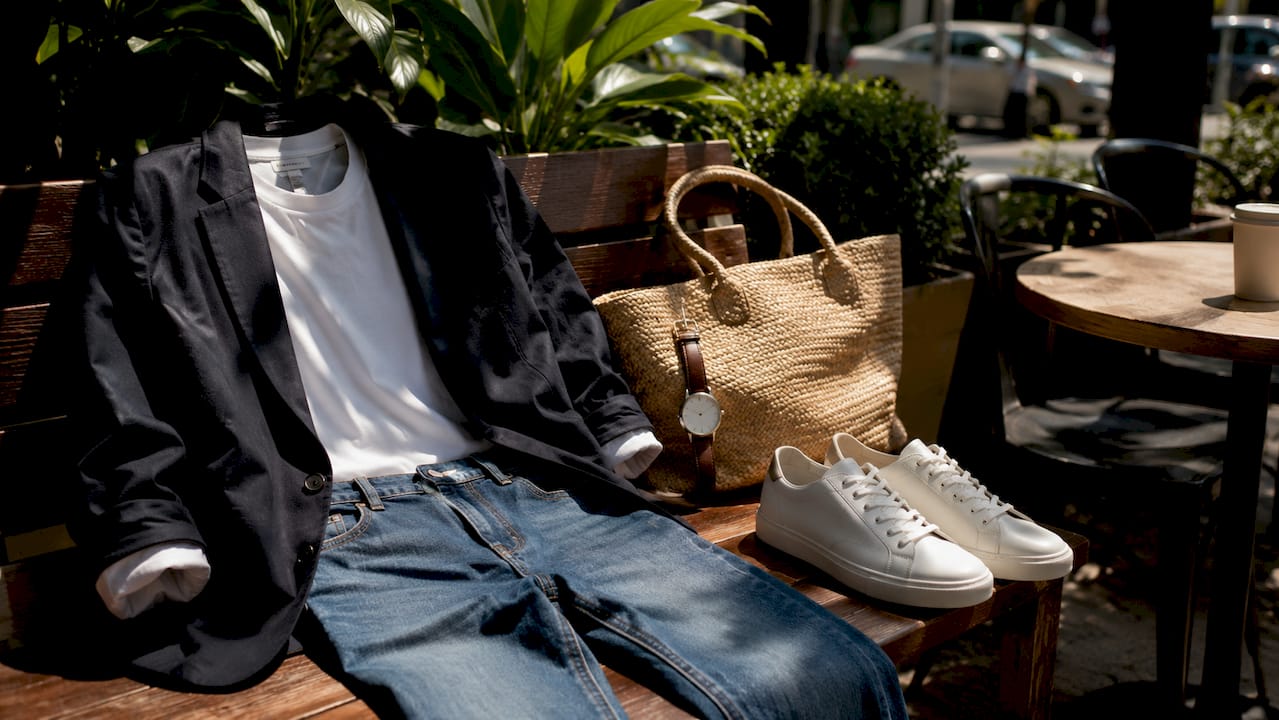
Proportion matters as much as the pieces themselves. Pairing an oversized top with a slim or tapered bottom creates visual balance. Pairing a fitted top with wide-leg trousers does the same. When both pieces are loose, add a belt or tuck in the front of your shirt to define your silhouette.
How do outfit formulas reduce daily decision fatigue?
Decision fatigue is real. Every choice you make in the morning draws from the same mental energy you need for the rest of your day. Outfit formulas solve this by converting a creative challenge into a reliable system. You stop asking “what do I wear?” and start asking “which formula fits today?”
Experts recommend building a personal menu of just 3–5 core formulas. That number is intentional. Too few and you feel stuck. Too many and you recreate the same decision problem you were trying to avoid.
Here is how to build your personal formula menu:
- Audit what you already wear. Pull out the five outfits you wore most in the last month. These are your existing formulas, even if you never named them.
- Identify the structure. For each outfit, label the base, layer, shoes, and accessory. You will notice patterns immediately.
- Fill the gaps. If all your formulas are casual, add one that works for meetings or dinners. Cover your actual lifestyle, not your aspirational one.
- Document every formula. Take a quick photo in the mirror when an outfit works. Collect these in a phone album. Documenting successful outfits turns a prolonged styling decision into a 10-second scroll.
- Rotate, do not reinvent. Swap one element at a time. Change the shoes, switch the layer, try a different color in the base. Your formula stays intact while the look feels fresh.
Most people wear only 20% of their wardrobe 80% of the time. That means the other 80% of your closet is creating visual noise and mental clutter every morning. A curated formula menu cuts through that noise and gets you dressed with confidence.
What styling techniques keep outfit formulas fresh?
The biggest fear people have about formulas is looking repetitive. That fear disappears once you understand that variations come from texture, color, and accessories, not from changing the formula itself.
The most effective techniques for keeping formulas visually interesting include:
- Texture mixing: Pair a matte cotton tee with a shiny satin skirt, or a chunky knit cardigan with smooth denim. The contrast creates depth without adding complexity.
- Proportion play: An oversized top with slim trousers, or a fitted base with wide-leg pants. Switching the proportion within the same formula creates a noticeably different silhouette.
- Seasonal fabric swaps: The formula “tee plus trousers plus loafers” works year-round. In summer, use linen trousers. In winter, switch to wool or thick cotton. The structure stays the same.
- The one-change trick: Keep your base outfit identical and swap one element, either the outer layer or the shoes. This single move scales 3–5 formulas into dozens of distinct looks without buying anything new.
- Footwear as a mood shifter: The same jeans and tee formula reads as weekend-casual with white sneakers, creative-professional with chunky loafers, and evening-ready with heeled boots.
Trending formulas in 2026 include “Relaxed Blazer plus Jeans plus Boots” and “Linen Balloon Trousers plus Satin Top.” Both deliver high visual impact with minimal styling time. They work because they follow the same four-part structure, just with more considered fabric and proportion choices.
Pro Tip: Think in categories, not specific items. Your formula calls for “a layer,” not “that one gray cardigan.” Any button-down, any blazer, or any denim jacket fills that slot. This flexibility is what makes formulas last.
How do outfit formulas relate to capsule wardrobes?
Outfit formulas and capsule wardrobes are two parts of the same system. A capsule wardrobe is the pantry: a limited collection of quality, versatile pieces. Outfit formulas are the recipes: the specific combinations that turn those pieces into complete looks. One cannot function well without the other.
A capsule wardrobe typically includes 25–50 pieces that cover all lifestyle needs. Every item works with at least three others. Outfit formulas tell you exactly how to combine them. Without formulas, even the most curated capsule wardrobe leads to the same morning paralysis.
The table below shows how capsule staples map directly to formula components:
| Formula component | Capsule staple examples |
|---|---|
| Base layer (top) | White oversized tee, fitted black tee, striped long-sleeve |
| Base layer (bottom) | Straight-leg jeans, tailored trousers, midi skirt |
| Optional layer | Neutral blazer, denim jacket, oversized cardigan |
| Footwear | White sneakers, leather loafers, ankle boots |
| Finishing accessory | Minimal watch, structured tote, simple gold necklace |
Fashion experts describe this relationship clearly: formulas act as recipes using existing wardrobe ingredients, encouraging you to use what you already own rather than buying new items. Consistency, not trend-chasing, is the true foundation of effortless style.
You can read more about building the foundation for this system in TheWhiteLabel’s guide on everyday capsule wardrobes. The two concepts work together, and understanding both makes getting dressed genuinely easier.
Key Takeaways
An effortless outfit formula is a four-part structure of base layer, optional layer, footwear, and one accessory that reduces daily decision fatigue and creates consistent, stylish looks from a small set of proven combinations.
| Point | Details |
|---|---|
| Four-part structure | Every formula needs a base, an optional layer, footwear, and one finishing accessory. |
| Limit your formulas | Experts recommend 3–5 core formulas to cover your lifestyle without recreating decision fatigue. |
| Document what works | Photograph successful outfits and collect them in a phone album for fast daily reference. |
| Use the one-change trick | Swap one element per formula to multiply looks without buying new pieces. |
| Formulas need a capsule | Outfit formulas work best when paired with a curated capsule wardrobe of versatile basics. |
Our honest take on effortless outfit formulas
We have seen a lot of style advice come and go, and most of it overcomplicates things. The truth about outfit formulas is simpler than most people expect. The biggest mistake we see is treating a formula like a rigid rule. It is not. It is a flexible template, and the moment you understand that, getting dressed becomes genuinely enjoyable.
You do not need a perfect closet. Stylists consistently note that formulas work with existing clothes, not an idealized wardrobe. We have watched customers build confident, consistent style from five pieces and a clear formula. The formula does the heavy lifting.
What actually works, in our experience, is starting with your most-worn piece and building outward. For most of our community, that piece is a heavyweight oversized tee. It anchors the base layer of almost every casual formula because it fits well, holds its shape, and works with nearly everything else in a wardrobe. From there, the formula almost builds itself.
The other thing worth saying: document your wins. Take the mirror photo. It feels awkward the first time. By the tenth time, you will wonder how you ever got dressed without it. A visual library of your own successful outfits is more useful than any style guide, including this one.
— TheWhiteLabel
TheWhiteLabel’s oversized tees as your formula foundation
At TheWhiteLabel, we built our collections around exactly this idea. A great outfit formula needs a reliable base layer, and our premium oversized tees are designed to fill that role every day. Our 300GSM heavyweight cotton holds its structure wash after wash, drapes cleanly over any bottom, and works across casual, layered, and elevated formula variations. We also put together a mix-and-match collection specifically for people who want to build a formula-ready wardrobe without the guesswork. Every piece in that collection is chosen to work across multiple formulas, so you get more looks from fewer items. We are grateful for every customer who has trusted us to be part of their everyday style, and we are excited to keep building pieces that make your mornings easier.
FAQ
What is an effortless outfit formula?
An effortless outfit formula is a repeatable four-part clothing combination: a base layer, an optional layer, footwear, and one accessory. It reduces daily decision fatigue by giving you a proven structure to follow instead of starting from scratch each morning.
How many outfit formulas do I need?
Experts recommend a personal menu of 3–5 core formulas. That range covers most lifestyle needs while keeping your choices simple enough to actually reduce decision fatigue.
Can I use outfit formulas with a small wardrobe?
Yes. Outfit formulas are most effective with a small, curated wardrobe. The one-change trick, swapping one element like shoes or an outer layer, scales 3–5 formulas into dozens of distinct looks without buying new pieces.
How do I keep outfit formulas from looking repetitive?
Swap textures, colors, and accessories within the same formula structure. Trending techniques include pairing oversized layers with fitted bases and using footwear to shift the mood of an identical base outfit.
What is the difference between a capsule wardrobe and outfit formulas?
A capsule wardrobe is a curated collection of versatile pieces. Outfit formulas are the specific combinations that turn those pieces into complete looks. The two systems work together: the capsule supplies the ingredients, and the formulas provide the recipes.


