


TL;DR:
- A capsule wardrobe consists of 15 to 30 versatile clothing pieces that support many outfit combinations. Building it requires an honest wardrobe audit, setting realistic goals, and focusing on quality basics in neutrals and neutrals with accent colors. Strategic shopping, maintaining habits like the one-in-one-out rule, and regular care help keep the wardrobe affordable and functional long-term.
A capsule wardrobe is defined as a small, deliberate collection of versatile clothing pieces that work together to create multiple outfits. Building an affordable everyday wardrobe does not mean settling for less. It means choosing quality basics that fit your life, your budget, and your personal style. The good news is that a functional capsule wardrobe of 15–30 items can support 25–30 unique outfits when planned around your actual lifestyle and laundry habits. TheWhiteLabel was built on exactly this idea: that great everyday style should be accessible to everyone, not just those with big budgets.
How to build an affordable everyday wardrobe: start with a wardrobe audit
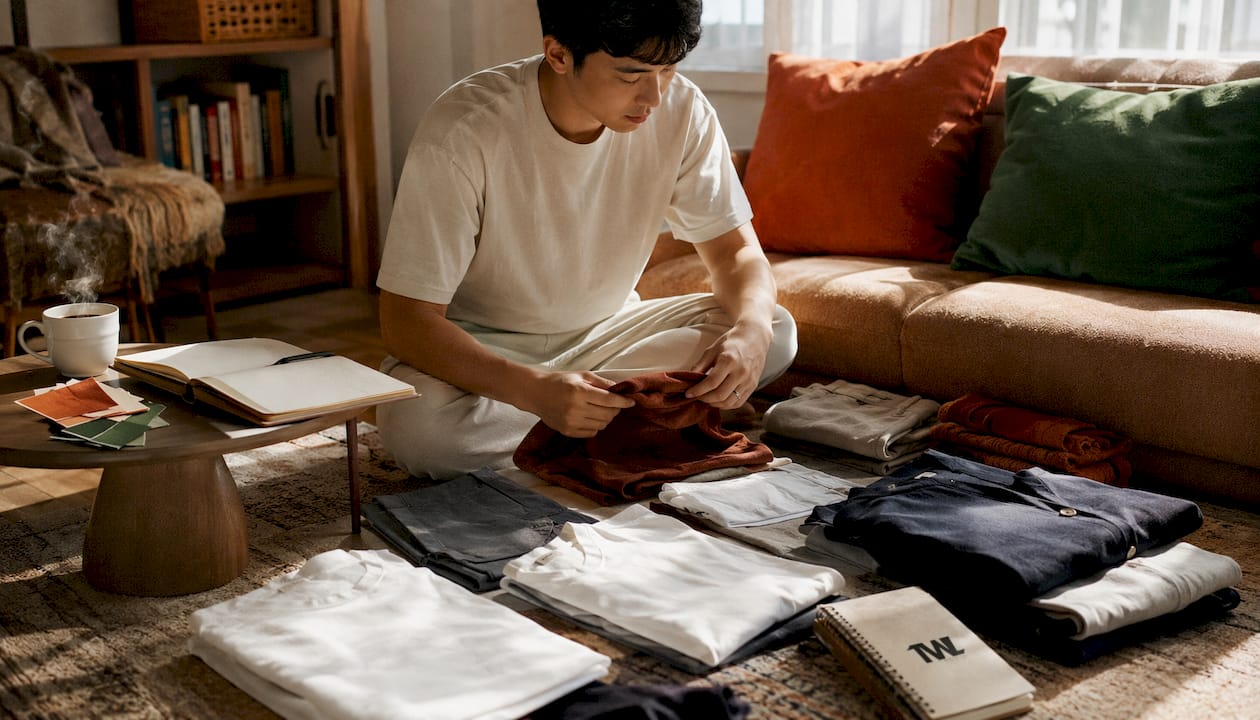
The first step is knowing what you already own. Pull everything out of your closet and sort it into three piles: items you wear regularly, items you rarely touch, and items that no longer fit or feel right. This process takes about an hour, and it saves you from buying duplicates or filling gaps that do not actually exist.
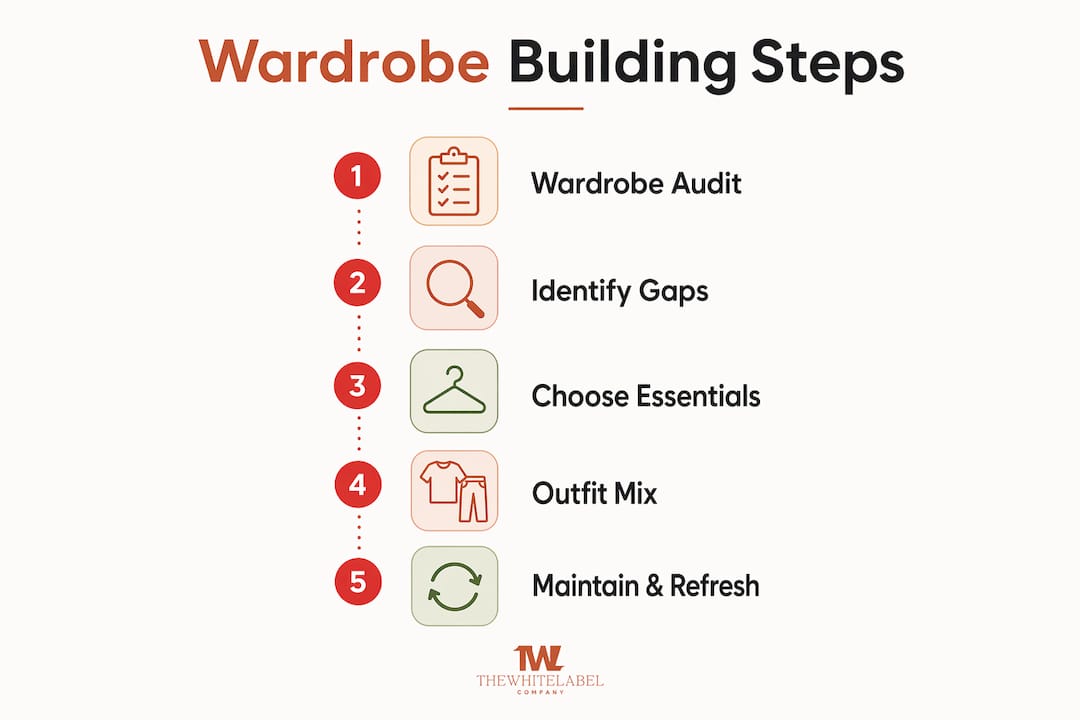
Once you have your piles, look for patterns. If you own ten tops but only two pairs of pants, your bottoms are the gap. If everything you own is black, you may already have a strong neutral base to build from. The goal is to see your wardrobe as a system, not a collection of individual pieces.
Next, set realistic goals based on your lifestyle, climate, and budget. A person who works from home needs different pieces than someone commuting to an office five days a week. Aligning wardrobe choices with your actual weather and daily activities simplifies dressing and improves how much use you get from every item.
- Lay out every item you own by category: tops, bottoms, layers, shoes, and accessories.
- Identify which categories feel full and which feel empty.
- Note which items you reach for most and why (fit, color, comfort).
- Set a spending ceiling for each category before you shop.
- Write down your top three lifestyle contexts: work, casual, social.
Pro Tip: Take a photo of your sorted wardrobe before putting anything back. That image becomes your reference point when you are tempted to buy something you do not need.
What are the key affordable clothing essentials for everyday wear?
The foundation of any versatile wardrobe comes down to a short list of categories. Get these right, and everything else falls into place.
- Tops: Plain tees, one or two button-down shirts, and a lightweight long-sleeve option. Neutral colors like white, gray, and black work with almost everything.
- Bottoms: One pair of well-fitting jeans, one pair of chinos or trousers, and one casual short or skirt depending on your preference.
- Layers: A neutral cardigan, a zip-up hoodie, or a simple jacket. Layers extend the life of every outfit across seasons.
- Shoes: One clean pair of white sneakers, one casual leather or canvas shoe, and one pair of sandals or boots depending on your climate.
- Accessories: A simple belt, a watch or minimal jewelry, and one versatile bag.
Quality matters most for items you wear closest to your skin and most frequently. A heavyweight cotton tee, for example, holds its shape and color far longer than a thin, cheap alternative. TheWhiteLabel’s oversized tees in Singapore are made from 300GSM premium cotton, which means they last through repeated washing without fading or losing structure. That durability directly lowers your cost per wear over time.
Mixing a narrow color palette of 2–3 neutrals plus 1–2 accent colors maximizes outfit combinations and minimizes budget waste. This approach means every piece you buy coordinates with what you already own, so nothing sits unused.
Pro Tip: Before buying any new piece, hold it up against three items already in your wardrobe. If it does not work with at least two of them, put it back.
| Category | Recommended quantity | Priority level |
|---|---|---|
| Plain tees | 3–5 | High |
| Bottoms (pants/jeans) | 2–3 | High |
| Layers (hoodies/cardigans) | 2 | Medium |
| Shoes | 2–3 pairs | High |
| Accessories | 3–5 pieces | Low |
What shopping strategies actually keep wardrobe costs low?
Smart shopping is a skill, and it starts with a plan. A capsule wardrobe typically costs $180–$200 when you combine strategic new purchases with secondhand finds. That number drops further when you apply a few consistent habits.
- Set category budgets before you browse. Decide how much you will spend on tops, bottoms, and layers separately. A three-tiered spending system works well: low-cost basics, mid-range fabric and fit items, and one or two higher-investment layers that anchor the wardrobe.
- Buy secondhand for structured pieces. Blazers, coats, and denim jackets hold up well secondhand and cost a fraction of retail. Buy new for skin-contact basics like tees and underwear for hygiene and fit reasons.
- Time your purchases. End-of-season sales, clearance events, and platform-specific promotions on Shopee and Lazada regularly offer 30–50% off basics. Patience pays.
- Apply a waiting period. If you see something you want, wait 48 hours before buying. Most impulse purchases lose their appeal within a day.
- Calculate cost per wear. Divide the price of an item by the number of times you expect to wear it in a year. A $40 tee worn 100 times costs $0.40 per wear. A $15 trendy top worn twice costs $7.50 per wear.
The most expensive wardrobe mistake is not buying something costly. It is buying something cheap that you never actually wear. Every unworn item is a 100% loss. Cost per wear is the only number that matters when evaluating whether a purchase makes sense.
How do you create everyday outfit ideas from a small wardrobe?
A small, well-chosen wardrobe produces more outfit variety than a large, disorganized one. The basic outfit formula is simple: one top, one bottom, one layer, and one accessory. That four-part structure creates a complete look every time without requiring creativity or extra time in the morning.
A core of 6–8 staples can reduce decision fatigue and sustain a full week of stylish, varied outfits. The key is knowing which combinations work before you need to get dressed.
- White oversized tee + dark jeans + white sneakers + minimal watch = clean casual
- Gray tee + chinos + zip-up hoodie + canvas shoes = smart casual for errands or coffee
- Black tee + joggers + clean sneakers = relaxed weekend look
- Neutral tee + trousers + cardigan + leather shoes = office-ready without a suit
- Striped or graphic tee + shorts + sandals = warm-weather casual
The secret to making these combinations feel polished is consistency in color. When your tops, bottoms, and layers all sit within the same 2–3 neutral tones, every combination looks intentional. You can find practical casual outfit building tips that show exactly how to apply this formula with real wardrobe staples.
Adapting outfits for different occasions requires only one or two swaps. Change your shoes from sneakers to clean leather shoes, add a simple watch, and the same tee-and-chinos combination moves from casual to smart casual. That flexibility is the real value of a well-built wardrobe.
How do you maintain and refresh an affordable wardrobe long-term?
A wardrobe is not a one-time project. It needs small, consistent attention to stay functional and affordable over time.
The one-in-one-out rule is the most effective maintenance habit. Every time you bring a new item in, one item leaves. This prevents the slow accumulation of clothes you no longer wear and keeps your wardrobe at a manageable size. It also forces you to be deliberate about every new purchase.
Avoiding trend-driven pieces and focusing on classic shapes and neutral palettes reduces wardrobe budget failures and increases long-term value. Classic shapes stay relevant for years, which means your cost per wear keeps dropping the longer you hold onto them. Trends, by definition, expire. Buying them is paying a premium for a short shelf life.
Proper garment care extends the life of every piece significantly. Wash tees inside out in cold water to preserve color. Air dry when possible to prevent shrinkage and fabric breakdown. Store knitwear folded, not hung, to avoid stretching. These habits cost nothing and add months or years to your wardrobe’s lifespan.
Pro Tip: Do a mini wardrobe review every three months, not just at the start of a new season. Small adjustments made regularly are far less overwhelming than a full overhaul twice a year.
Key Takeaways
A deliberate, budget-conscious wardrobe built around 15–30 versatile pieces, a neutral color palette, and a mix of new and secondhand items delivers the most outfit variety at the lowest long-term cost.
| Point | Details |
|---|---|
| Start with an audit | Identify gaps and overused categories before spending any money. |
| Stick to a neutral palette | Use 2–3 neutrals plus 1–2 accents so every piece coordinates automatically. |
| Use cost per wear | Evaluate every purchase by dividing price by expected wears, not sticker price. |
| Buy secondhand strategically | Thrift structured items like jackets; buy new for basics worn against skin. |
| Apply the one-in-one-out rule | Replace worn items deliberately to keep your wardrobe functional and focused. |
What we have learned building wardrobes that actually work
We have seen thousands of customers come to TheWhiteLabel with the same frustration: a closet full of clothes and nothing to wear. That paradox almost always traces back to the same root cause. People buy reactively, chasing trends or grabbing whatever is on sale, without a clear picture of what they actually need.
The wardrobe advice that gets repeated most often sounds simple: buy less, buy better. But the part that rarely gets said is how patient you have to be. Building a wardrobe that truly works takes 4–6 weeks of deliberate choices, not one big shopping trip. The capsule wardrobe approach is not about minimalism for its own sake. It is about having exactly what you need and nothing you do not.
We also believe that quality basics are not a luxury. They are the most affordable long-term choice you can make. A tee that costs a little more but lasts three years beats a cheap tee replaced every three months. That math is straightforward, and we built TheWhiteLabel around it. Our 300GSM oversized tees were designed to be the kind of piece you reach for every single day without thinking twice.
The biggest mistake we see beginners make is trying to build the whole wardrobe at once. Start with three or four pieces that solve your most frequent dressing problem. Build from there. Small wins add up, and before long, getting dressed becomes the easiest part of your day.
— TheWhiteLabel
Quality basics from TheWhiteLabel for your everyday wardrobe
TheWhiteLabel makes it straightforward to fill the most-used slots in your wardrobe without overspending. Our oversized cotton tees are built from 300GSM heavyweight cotton, which means they hold their shape, color, and structure through consistent wear and washing. They come in the neutral tones that form the backbone of any well-planned wardrobe.
For those who want to build a coordinated set from the start, our mix-and-match collection bundles are put together specifically for that purpose. Each bundle is designed so every piece works with every other piece, removing the guesswork from building a cohesive everyday wardrobe. Available on our website, TikTok Shop, Shopee, and Lazada, TheWhiteLabel pieces are priced to make quality accessible, not exclusive.
FAQ
What is a capsule wardrobe and how many pieces does it need?
A capsule wardrobe is a small, coordinated collection of versatile clothing items. A functional one typically contains 15–30 deliberate pieces that support 25–30 unique outfits based on your lifestyle and laundry habits.
How much does it cost to build an affordable everyday wardrobe?
A practical capsule wardrobe costs roughly $180–$200 when you combine new basics with secondhand finds. A more minimal version built entirely from thrifted items and discount retailers can come in under $100.
What are the best colors to choose for a budget-friendly wardrobe?
Stick to 2–3 neutral colors like white, gray, black, or navy, plus 1–2 accent colors. This palette ensures every piece coordinates with every other piece, maximizing outfit combinations and reducing wasted spending.
Should I buy secondhand or new when building a wardrobe on a budget?
Buy secondhand for structured items like blazers, coats, and denim jackets. Buy new for basics worn directly against skin, like tees and underwear, for hygiene and fit reasons.
How do I avoid buying clothes I never wear?
Apply a 48-hour waiting period before any non-essential purchase and calculate cost per wear before buying. If you cannot imagine wearing an item at least 30 times, it does not belong in your wardrobe.


