


TL;DR:
- Oversized t-shirt fits are design choices, not just larger sizes, with three main types: boxy, longline, and streetwear. The key feature is the dropped shoulder seam, which creates an intentional relaxed silhouette. The boxy-oversized hybrid is the dominant style in 2026 for balancing comfort and structure across body types.
Types of oversized t-shirt fits are intentional design variations, not simply larger versions of regular tees. The three primary categories recognized in 2026 are boxy, longline, and streetwear oversized, each built with distinct proportions, shoulder placement, and silhouette goals. Understanding these differences helps you shop smarter, style better, and wear your tees with real confidence. Whether you’re building a streetwear wardrobe in Singapore or just want a comfortable everyday look, knowing which fit works for your frame changes everything.
1. What are the main types of oversized t-shirt fits?
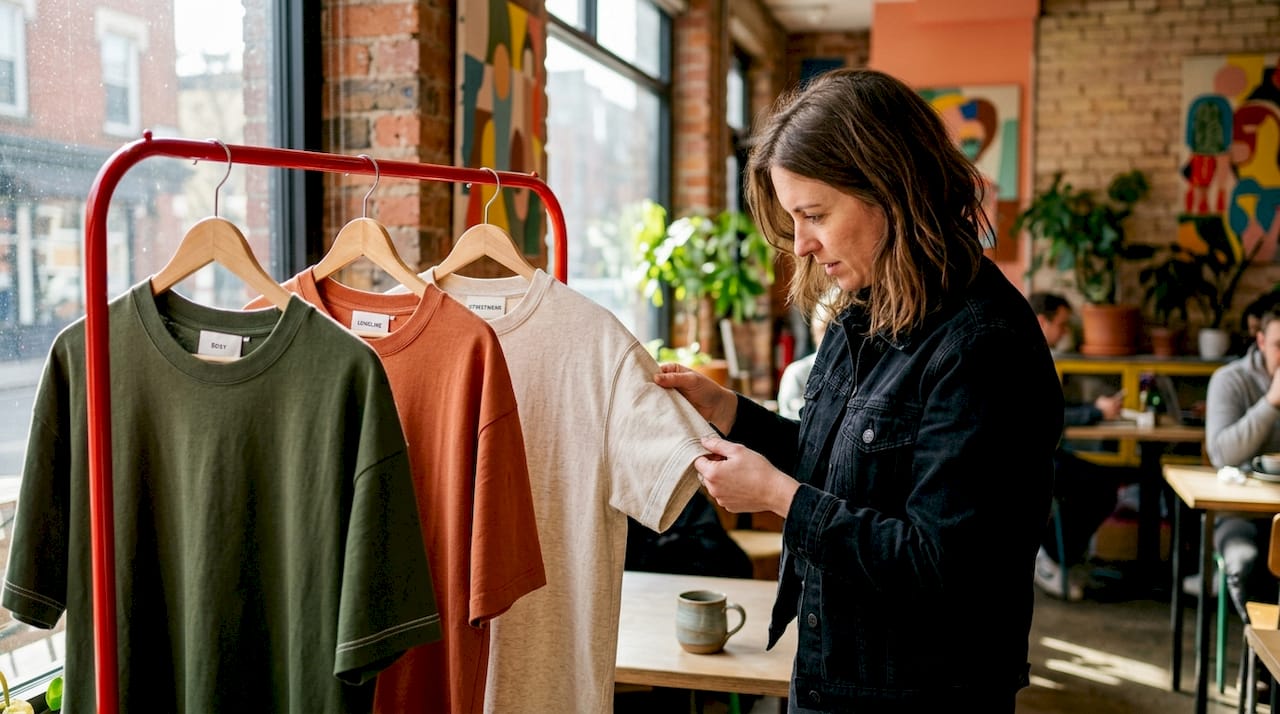
The three primary oversized fit categories are boxy, longline, and streetwear oversized, each with distinct proportions and silhouettes. These are not interchangeable terms. Each category reflects a different design intention and creates a different visual effect on the body.
Boxy fit is wide-bodied and shorter in length. The shoulder seams drop slightly below the natural shoulder, and the body hangs with a structured, square drape. This fit adds visual width without excessive length, making it one of the most wearable options across body types.
Longline fit extends the body length well below the hip while keeping the width narrower than a boxy cut. It creates a vertical line that elongates the torso. Taller wearers tend to carry this silhouette best, though anyone can work it with the right bottoms.
Streetwear oversized is the most dramatic of the three. It features the most volume, the longest body, the widest cut, and the most exaggerated dropped shoulders. This fit is built for bold, statement-driven looks and is the signature silhouette of hip hop and skate-influenced fashion.
- Boxy: Wide body, shorter length, structured square drape, slight shoulder drop
- Longline: Extra body length, narrower width, elongating vertical line
- Streetwear oversized: Maximum volume, dramatic dropped shoulders, longest length and width
Pro Tip: If you’re new to oversized fits, start with boxy. It’s the most forgiving silhouette and works with the widest range of bottoms and occasions.
2. How the dropped shoulder defines every oversized fit
The dropped shoulder seam is the single most important design feature that separates a true oversized tee from a regular one. Dropped shoulder seams typically sit 1–3 inches below the natural shoulder, which creates the relaxed, intentional drape that defines the oversized look.
This placement changes how the sleeve hangs, how the chest reads, and how the overall silhouette falls. A regular tee sized up will never replicate this because the shoulder seam stays at the natural shoulder line. The sleeve length, chest width, and waist looseness all follow from where that seam sits.
TheWhiteLabel builds its 300GSM oversized tees with this principle at the core. The dropped shoulder is not an afterthought. It is the starting point of the entire pattern.
3. How to choose the best oversized fit for your body type
Matching an oversized fit to your frame is less about your size number and more about your proportions and styling goals. The right fit creates balance. The wrong one creates bulk.
- Lean or slim frames benefit most from streetwear oversized or boxy cuts. The extra volume adds visual weight and presence, making the silhouette look intentional rather than like the shirt is wearing you.
- Average or medium builds have the most flexibility. Boxy and longline both work well. The choice comes down to whether you want a shorter, wider look or a longer, leaner one.
- Broader or larger frames get the most balance from a boxy-oversized cut. The structured drape distributes fabric evenly without clinging, and the shorter length keeps the proportions clean.
- Taller frames carry longline fits naturally. The extra body length fills out the vertical space without looking like the shirt is too short.
- Shorter frames should approach longline carefully. A tee that drops past the mid-thigh can visually shorten the legs. Boxy fits with a hem around the hip work better.
Oversized tees style best with straight-fit or baggy bottoms to maintain the intended silhouette balance. Slim-fit pants disrupt the proportional logic of an oversized top.
Pro Tip: Try tucking the front hem of a boxy tee into wide-leg trousers for a half-tuck. It defines the waist without losing the relaxed volume of the fit.
4. Common misconceptions about oversized t-shirt fits
The biggest misconception is that oversized is just a size, not a design. Sizing up regular tees gives a baggy illusion, but the sleeves and shoulders won’t fit correctly because oversized design requires a completely different pattern. You end up with a shirt that looks too big, not intentionally relaxed.
Here are the most common misunderstandings worth clearing up:
- “Oversized” and “baggy” mean the same thing. They don’t. Oversized is deliberate and structured. Baggy is unintentional looseness from wearing the wrong size.
- “Relaxed fit” is the same as oversized. Relaxed fit typically keeps the shoulder seam at the natural shoulder and adds modest room through the body. Oversized moves the seam and redesigns the entire proportion.
- Any brand’s “oversized” label means the same thing. It doesn’t. Some brands label a slightly loose regular tee as oversized. Look for dropped shoulder seams and wider body measurements to confirm.
- You need to size down in oversized tees. Not always. A true oversized tee is designed to fit at your actual size with intentional volume built in. Sizing down often removes the drape effect entirely.
Oversized fit is a distinct pattern designed with dropped shoulders, wider sleeves, and boxy silhouettes, distinct from relaxed or baggy fits. Buying a tee labeled “oversized” from a brand that understands the pattern ensures proper shoulder placement, sleeve length, and overall drape.
5. How to style different oversized fits for any occasion
Styling an oversized tee well comes down to understanding proportion and occasion. The fit you choose sets the tone. The bottoms and layers you add complete the look. Here are practical outfit directions for each fit type.
Boxy oversized is the most versatile. Pair it with straight-leg jeans, cargo shorts, or wide-leg trousers for a clean streetwear look. It also layers well under an open overshirt or a lightweight jacket. Check out these outfit ideas for oversized tees for more pairing inspiration.
Longline oversized works best with fitted or tapered bottoms that contrast the length of the tee. Slim chinos or straight-cut joggers keep the look balanced without adding bulk at the bottom. Avoid wide-leg pants with longline fits because the extra fabric at both top and bottom creates visual noise.
Streetwear oversized is built for bold combinations. Wide-leg pants, cargo trousers, and baggy denim all work. The goal is a consistent volume throughout the outfit. Mixing a streetwear oversized tee with slim pants looks dated and breaks the aesthetic logic of the fit.
- Boxy tee + cargo shorts + sneakers = casual everyday look
- Boxy tee + wide-leg trousers + loafers = smart-casual streetwear
- Longline tee + slim chinos + clean sneakers = elevated casual
- Streetwear oversized + cargo pants + chunky sneakers = full streetwear
Pairing oversized tops with slim pants disrupts proportional balance and looks dated. This is the single most common styling mistake, and avoiding it immediately improves any oversized outfit.
6. How oversized fits compare to regular and slim fits
Understanding the difference between oversized, regular, and slim fits helps you make better shopping decisions. The comparison is not just about how loose the shirt feels. It is about where the seams sit, how the fabric falls, and what occasions each fit serves.
| Feature | Slim fit | Regular fit | Oversized fit |
|---|---|---|---|
| Shoulder seam | At natural shoulder | At natural shoulder | 1–3 inches below natural shoulder |
| Chest width | Close to body | Moderate room | Wide, structured drape |
| Waist | Tapered | Straight | Loose, no taper |
| Body length | Standard | Standard | Extended (longline) or standard (boxy) |
| Sleeve length | Short | Standard | Longer, wider |
| Best for | Athletic or lean builds | Most body types | All body types with right styling |
| Ideal occasion | Smart-casual, formal | Everyday, casual | Streetwear, casual, layering |
Fashion-conscious consumers in 2026 differentiate oversized fits by occasion. Oversized remains dominant for streetwear and casual wear, while slim and regular fits gain traction in more formal or sophisticated contexts. Knowing where each fit belongs helps you build a wardrobe that works across situations.
7. Why the boxy-oversized hybrid is the dominant fit in 2026
The boxy-oversized hybrid has become the dominant silhouette in 2026 for balancing relaxed comfort with intentional structure. It differs from traditional oversized tees by having a structured drape and slightly shorter length, preferred across body types. This fit threads the needle between looking deliberate and feeling comfortable.
The appeal is practical. A boxy-oversized tee works for a morning coffee run, a casual office day, or a weekend streetwear look. It does not demand a full styled outfit to look good. That versatility is why it has pulled ahead of the more extreme streetwear oversized silhouette in everyday wear.
Oversized tees appeal broadly to Gen Z and millennials, are forgiving across sizes, and are perceived as higher value due to fabric use and trendy appeal. That combination of comfort, style, and perceived quality explains why the oversized category continues to grow.
Key takeaways
Choosing the right oversized fit requires understanding the design differences between boxy, longline, and streetwear cuts, then matching those proportions to your body and styling goals.
| Point | Details |
|---|---|
| Three distinct fit categories | Boxy, longline, and streetwear oversized each have unique proportions and silhouettes. |
| Dropped shoulder is the key marker | A true oversized tee places the shoulder seam 1–3 inches below the natural shoulder. |
| Sizing up does not work | Buying a larger regular tee creates baggy, not oversized. The pattern must be designed for it. |
| Match fit to body and occasion | Boxy suits most frames; longline works for taller builds; streetwear oversized suits bold looks. |
| Bottom pairing matters | Straight-fit or baggy bottoms maintain proportional balance with oversized tops. |
What I’ve learned from years of wearing and watching oversized fits evolve
I’ve watched the oversized trend shift from a niche streetwear statement to a genuine wardrobe staple, and the most consistent mistake I see is people treating it like a size choice rather than a style choice. They grab a tee two sizes up and wonder why it looks off. The shoulders bunch. The sleeves hang wrong. The whole thing reads as accidental.
The shift toward the boxy-oversized hybrid in 2026 is the most interesting development I’ve tracked. It signals that wearers are getting more intentional. They want the comfort and the relaxed look, but they also want structure. They want the tee to look like it was chosen, not grabbed.
My honest advice: stop thinking about size numbers when you shop for oversized tees. Start thinking about shoulder placement and body length. Those two measurements tell you more about how a tee will actually look on you than any size label. And if you’re experimenting with fits, start boxy. It’s the most forgiving entry point into the oversized category, and it works across more situations than any other cut.
The 2026 streetwear trend is moving toward intentionality. The era of wearing the biggest shirt possible as a flex is fading. What’s replacing it is a more considered approach to proportion, and that’s a better place for everyone.
— Adam
TheWhiteLabel’s oversized tee collection, built for every fit
At TheWhiteLabel, we’ve put real thought into every cut we offer. Our cotton oversized tees are crafted from premium 300GSM heavyweight cotton, with dropped shoulder seams and structured drape built into the pattern from the start. We’re not sizing up a regular tee and calling it oversized.
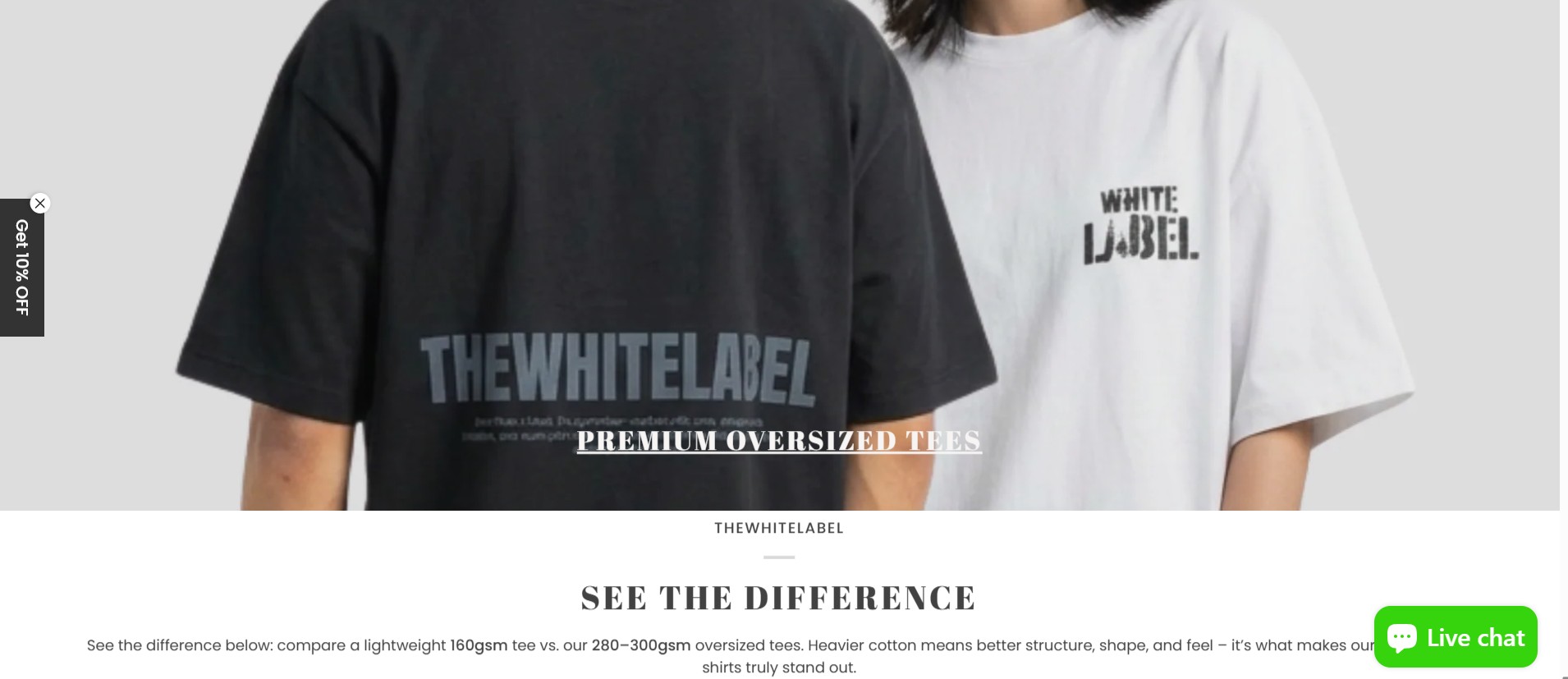
Whether you’re drawn to the clean structure of a boxy fit or the bold volume of a streetwear cut, our collection gives you options that are designed with intention. We’re grateful for every customer who has trusted us to get this right, and we keep that trust in mind with every piece we make. Browse our premium oversized tees and find the fit that works for your frame and your style.
FAQ
What are the three main types of oversized t-shirt fits?
The three main types are boxy, longline, and streetwear oversized. Each has distinct proportions: boxy is wide and shorter, longline is narrow and longer, and streetwear oversized features maximum volume with dramatic dropped shoulders.
Does sizing up a regular tee give you an oversized fit?
No. Sizing up a regular tee creates a baggy look, not a true oversized fit. A genuine oversized tee requires a different pattern with dropped shoulder seams, wider sleeves, and a redesigned body proportion.
What bottoms work best with oversized t-shirts?
Straight-fit or baggy bottoms maintain the proportional balance of an oversized top. Slim-fit or skinny pants disrupt the silhouette and create a dated, unbalanced look.
Which oversized fit suits most body types?
The boxy-oversized fit suits the widest range of body types. Its structured drape and moderate length work for lean, average, and broader frames without creating a tent-like effect.
Is the oversized t-shirt trend still relevant in 2026?
Yes. Oversized fits remain dominant in streetwear and casual wear in 2026, with the boxy-oversized hybrid emerging as the most popular silhouette for its balance of comfort and intentional structure.


