


TL;DR:
- Oversized clothing in Singapore uses specific pattern engineering and high GSM fabric to create a relaxed, boxy silhouette that suits the local streetwear scene. Accurate fit depends on measuring Point to Point (PTP) and garment length more than standard size labels, with 300 GSM heavyweight cotton being ideal for durability and breathability. Proper care with cold washing preserves the shape and quality of these tees, which range from budget to premium prices across various brands.
Oversized clothing in Singapore, known locally as “singapore oversize” streetwear, is defined by intentionally roomy proportions built around dropped shoulder seams and wider bust-to-waist ratios. This is not simply sizing up a standard shirt. True oversized apparel uses specific pattern engineering to create a relaxed, boxy silhouette that flatters different body types and suits Singapore’s casual streetwear culture. Fabric weight, measured in GSM (grams per square meter), and precise measurements like PTP (Point to Point) matter far more than a generic size label. TheWhiteLabel has built its entire product line around these principles, using 300GSM heavyweight cotton to deliver oversized tees that hold their shape and feel great in Singapore’s heat.
How does Singapore oversize sizing actually work?
Oversized sizing in Singapore is not standardized. The same “L” from two different brands can fit completely differently. That inconsistency is the single biggest reason buyers end up disappointed after an online purchase.
The measurement that matters most is PTP, or Point to Point. PTP measures bust width from one underarm seam to the other, giving you the actual horizontal span of the garment. That number tells you how boxy and drape-heavy the tee will feel on your body. Garment length is the second critical number. Together, PTP and length define the silhouette far better than any lettered size.
Sizing charts across Singapore brands list bust dimensions from 95cm to 141cm and garment lengths from 49cm to 57cm across similar oversized categories. That is a wide range. A 95cm PTP reads as a relaxed fit on most frames, while a 141cm PTP creates a true boxy drop that reads as streetwear.
Here is a reference table to help you visualize typical measurements across common size labels in Singapore oversized apparel:
| Size Label | Typical PTP (cm) | Typical Length (cm) | Fit Character |
|---|---|---|---|
| XS | 95–100 | 49–51 | Relaxed, slightly boxy |
| S/M | 101–110 | 51–53 | Boxy, casual streetwear |
| L/XL | 111–120 | 53–55 | True oversized drop |
| 2XL/3XL | 121–141 | 55–57 | Wide, dramatic silhouette |
Key points to check before you buy:
- Always read the brand’s specific size chart, not just the size label
- Compare the listed PTP to a tee you already own and love
- Factor in garment length if you plan to tuck, knot, or wear it loose
- Note whether the chart uses half-chest or full-chest measurements, since brands differ
The oversized label in Singapore is often used loosely. Checking PTP and length takes 60 seconds and saves you from a return.
Why fabric weight and GSM matter for Singapore’s climate
Fabric composition and GSM weight predict how an oversized tee will look, feel, and last far better than any brand claim. This is especially true in Singapore’s hot, humid weather.
GSM stands for grams per square meter. It measures how dense and heavy the fabric is. A shirt at 180 GSM feels thin and light. A shirt at 300 GSM feels substantial, structured, and premium. Heavyweight cotton at 250–300+ GSM maintains the boxy oversized shape through repeated washes, while lightweight fabrics below 200 GSM lose their structure quickly. That limp, scrubby look after a few washes is almost always a GSM problem.
100% cotton vs. cotton-polyester blends
100% cotton breathes better in Singapore’s heat. It absorbs moisture and allows airflow, which matters when you are outdoors or commuting. Cotton-polyester blends resist shrinkage and dry faster, but they trap heat more than pure cotton. For everyday streetwear in a tropical climate, 100% cotton at a high GSM is the better choice. You get breathability without sacrificing structure.
How GSM affects drape and silhouette
A heavier GSM fabric drapes with weight and intention. The shoulders sit where they are supposed to sit. The hem falls cleanly. A lighter fabric collapses and clings, which defeats the purpose of an oversized cut. Fabric weight correlates strongly with how well a garment holds its shape over time. TheWhiteLabel uses 300GSM cotton specifically because that weight keeps the boxy silhouette intact wash after wash.
Caring for your oversized tee
Proper care extends the life of any premium oversized tee. Manufacturer care instructions consistently recommend cold machine wash cycles and avoiding tumble drying to preserve both fit and fabric quality. High heat shrinks cotton fibers and distorts the engineered shape.
Pro Tip: Turn your oversized tee inside out before washing. This protects the outer surface and any printed graphics from friction damage in the machine.
How to style oversized tees in Singapore’s streetwear scene
Styling an oversized tee well comes down to one principle: balance volume with structure elsewhere. The tee is the statement piece. Everything else should be clean and fitted.
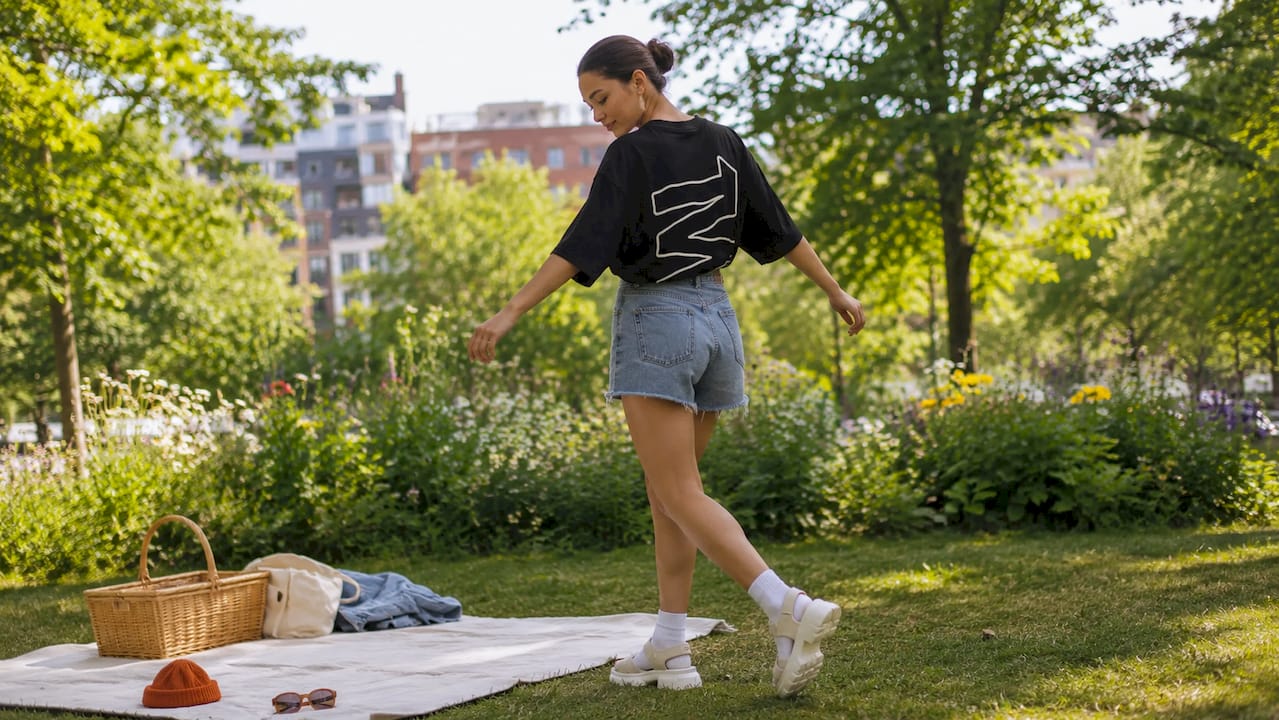
True oversized garments use dropped shoulder patterns and wider bust-to-waist ratios to create the streetwear silhouette. That engineering is different from simply buying a larger size in a standard cut. A true oversized tee will have shoulder seams that fall past your natural shoulder line, creating that signature relaxed drop.
Here is a practical styling sequence that works for Singapore’s daily wear:
- Start with the tee as the anchor. Choose a neutral color, black or white, so it pairs with anything in your wardrobe.
- Pair with slim or tapered bottoms. Slim-fit cargo pants, straight-leg jeans, or fitted shorts balance the volume on top without making the outfit look shapeless.
- Consider your height. The oversized look can overwhelm body proportions if you ignore height and frame relative to the garment’s measurements. Shorter frames often do better with a slightly shorter garment length to avoid the tee swallowing the silhouette.
- Layer intentionally. An open overshirt or lightweight jacket over an oversized tee adds dimension without adding bulk.
- Keep footwear grounded. Chunky sneakers or clean low-profile trainers both work. Avoid very slim dress shoes, which clash with the relaxed proportions.
Singapore’s streetwear scene draws heavily from Japanese and Korean casual aesthetics. Monochrome outfits built around a heavyweight oversized tee, tapered pants, and clean sneakers are the most consistent look you will see at Haji Lane, Bugis Street, and Orchard Road on weekends.
Pro Tip: If you are between sizes, size down on the bottoms when wearing a true oversized tee. The contrast in fit is what makes the look intentional rather than accidental.
Where to buy high-quality oversized tees in Singapore
The Singapore market for oversized apparel ranges from fast-fashion basics to premium heavyweight streetwear. Knowing what separates them saves you money and frustration.
Mainstream retail pricing for oversized shirts in Singapore runs from approximately S$40 at entry level to around S$99.90 for premium 100% cotton pieces. That price gap reflects real differences in fabric quality, construction, and longevity. A S$40 tee at 180 GSM will not hold its shape the same way a S$80 tee at 300 GSM will after six months of regular wear.
Standard delivery for online orders in Singapore typically runs 1–3 working days, with free shipping thresholds usually between S$65 and S$79. That is fast enough that buying online is genuinely convenient, not a compromise.
What to check before purchasing:
- GSM weight: Look for 250 GSM or higher for a tee that holds its shape
- Fabric composition: 100% cotton is the best choice for Singapore’s climate
- PTP and length measurements: Always compare to a tee you already own
- Wash instructions: Cold wash and no tumble dry are signs the brand cares about longevity
- Platform availability: TheWhiteLabel sells through TikTok Shop, Shopee, Lazada, and its official website, giving you multiple ways to order
Here is a quick comparison of what different price tiers typically deliver:
| Price Range (SGD) | Typical GSM | Fabric | Shape Retention |
|---|---|---|---|
| S$30–S$50 | 160–200 | Cotton blend | Low after washing |
| S$50–S$75 | 200–250 | Cotton or blend | Moderate |
| S$75–S$100+ | 250–300+ | 100% cotton | High, wash-resistant |
Customers willing to pay near S$100 for a premium oversized tee in Singapore are paying for fabric integrity and consistent fit. That investment pays off over time. TheWhiteLabel’s 300GSM classic tee sits in that premium tier while staying accessible for everyday buyers.
Key Takeaways
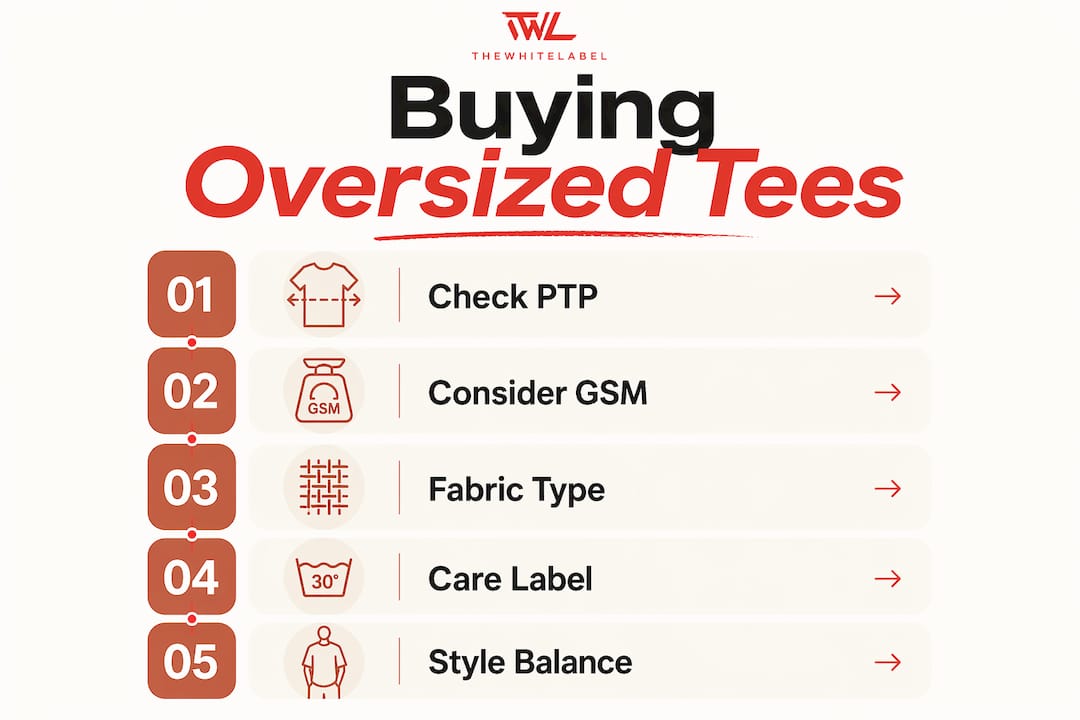
The most reliable way to buy oversized tees in Singapore is to check PTP measurements and GSM weight before anything else, since size labels alone are inconsistent across brands.
| Point | Details |
|---|---|
| PTP over size labels | Always check Point to Point measurement, not just S/M/L, for accurate fit. |
| GSM predicts longevity | Choose 250 GSM or higher to maintain the boxy shape through repeated washing. |
| 100% cotton for Singapore | Pure cotton breathes better than blends in Singapore’s humid tropical climate. |
| Balance proportions when styling | Pair oversized tees with slim bottoms to keep the silhouette intentional. |
| Cold wash preserves shape | Wash in cold water and skip the dryer to protect the engineered oversized fit. |
What I have learned from years of wearing oversized tees in Singapore
The most common mistake I see is buying oversized tees based on the size label alone. Someone picks “L” because that is their usual size, and the tee either fits like a regular shirt or swamps them completely. The fix is simple: measure a tee you already love, write down the PTP and length, and compare those numbers to the brand’s chart. That habit alone eliminates most bad purchases.
The second mistake is underestimating GSM. I wore a 180 GSM oversized tee for three months before it started looking tired and shapeless. Switching to 300 GSM changed everything. The tee held its structure, draped properly, and still looked fresh after dozens of washes. That difference is visible to anyone who sees you wearing it.
Styling-wise, Singapore’s heat pushes people toward lighter fabrics, but a well-made 300 GSM cotton tee is actually comfortable here. The weight creates airflow around the body rather than clinging to it. Pair it with something fitted on the bottom, keep the color palette simple, and the look works for everything from a weekend market visit to a casual dinner. The SG22 Panda Express tee from TheWhiteLabel is a good example of how a graphic can add personality without overcomplicating the outfit.
— Adam
TheWhiteLabel’s 300GSM oversized tees for Singapore streetwear
TheWhiteLabel builds every tee around the two things that actually matter: fabric weight and precise oversized proportions. The SG00 Signature Logo tee uses 300GSM heavyweight 100% cotton with a true dropped-shoulder cut, available in black and white for maximum styling flexibility.
The SG08 TWL Bakery Logo tee brings the same 300GSM construction with a graphic that has become one of our most recognized designs in Singapore’s streetwear community. All TheWhiteLabel tees are available on TikTok Shop, Shopee, Lazada, and directly at twl.sg. We are grateful for every customer who has trusted us with their wardrobe, and we keep working to make each tee worth it.
FAQ
What does PTP mean in Singapore oversized clothing?
PTP stands for Point to Point, measuring bust width from underarm seam to underarm seam. It is the most accurate way to judge how boxy and roomy an oversized tee will actually fit.
What GSM is best for oversized tees in Singapore’s climate?
300 GSM heavyweight cotton is the best choice. It maintains the boxy oversized shape through washing and breathes well enough for Singapore’s humid weather.
Why do oversized sizes vary so much between Singapore brands?
Oversized sizing is not standardized in Singapore. Each brand sets its own measurements, so a size “L” from one label can differ by 20cm or more in PTP from another brand’s “L.”
How should I care for my oversized tee to keep its shape?
Wash in cold water and avoid tumble drying. High heat shrinks cotton fibers and distorts the engineered oversized fit, causing the tee to lose its boxy silhouette over time.
What is the typical price range for quality oversized tees in Singapore?
Quality oversized tees in Singapore range from approximately S$40 for entry-level options to around S$99.90 for premium 100% cotton, 300 GSM pieces. Higher prices reflect better fabric and longer-lasting shape.


